1. Confirm the property is released
If police were involved, cleanup starts after they release the space. The owner or family can check with the agency.
Hartland, WI · Waukesha County
Property managers in Hartland find syringes, burnt foil and stained surfaces during move-out walks. Call (877) 812-4220 for a calm, private cleanup that clears the unit for the next tenant.
If anyone is in danger, call 911 first. For a suicide crisis, call or text 988.
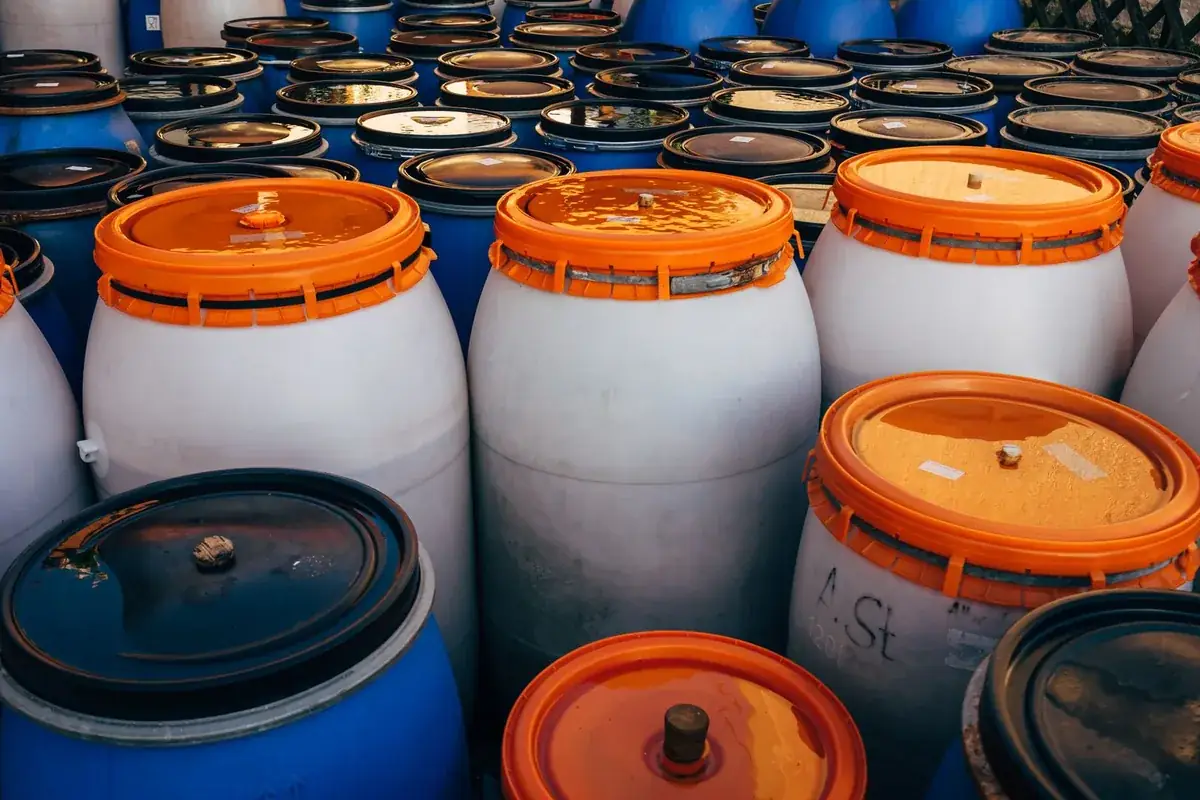
When items from drug use are left behind in a home or business, removal should be done with protective equipment. A cleanup team does the work so owners and families do not risk exposure.
If you run a hotel, motel or small business in Hartland, you can get focused cleanup of rooms and restrooms where drug items were left behind. Call Hartland Biohazard Cleanup Help. Crews work quickly and discreetly across Waukesha County.
Renters make up about 38% of households in Hartland, so landlords often need paraphernalia cleared between tenants. Tell the doctor where the exposure happened. Waukesha Memorial Hospital, about 6 miles from Hartland, can evaluate people who may have been exposed.
What drug paraphernalia cleanup covers:
If police were involved, cleanup starts after they release the space. The owner or family can check with the agency.
Cleanup technicians collect sharps, bag soiled items and lift loose debris using tools.
Contaminated materials are bagged and carried out. Rebuilding or replacing them can wait until the space is clean.
Waste leaves the property, and the owner can ask for a summary of what was removed and cleaned.
The cost of drug paraphernalia cleanup in Hartland, WI depends on the amount of material, how it is packed and how it is hauled.
A site where drugs were manufactured needs testing and a different plan. If that applies, the scope and price are different from standard paraphernalia cleanup.
| Type of job | Typical range |
|---|
These ranges come from published cost guides () and are not a quote for Hartland. Price drivers include amount of material, whether residue is present, surfaces affected, waste disposal. For a real number, call (877) 812-4220.
Vehicles can hold syringes, residue and odor in seats, carpets and vents. Ask whether the team cleans vehicles and how soft materials are treated. Crews use the same protective gear and sealed containers as in a building.
Loose syringes should never go in household trash, because they can stab sanitation workers. Other items may carry residue. A cleanup team seals and disposes of everything the safe way.
It can. Once soiled items are removed, a team can treat lingering odor in the air and on surfaces. Ask what methods the team uses and whether odor treatment is part of the plan or a separate step.
Standard paraphernalia cleanup is about removal, cleaning and disinfection. Testing is a separate step, usually tied to a site where drugs were made. Ask the team and the local health department what testing, if any, applies to your property.
Some residues can harm people who touch them, and you cannot tell by looking which ones. That is why gloves are not a substitute for professional cleanup. If skin touches something unknown, wash with soap and water and call Poison Control.
It can be. Used syringes and other sharps can carry bloodborne germs, and residue can harm people who touch or swallow it. A cleanup team can look at what is there and explain how it should be handled. Do not touch it until then.
Ask about discreet arrival in an unmarked vehicle if privacy matters.
Call (877) 812-4220